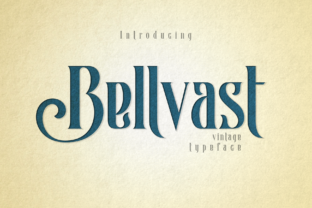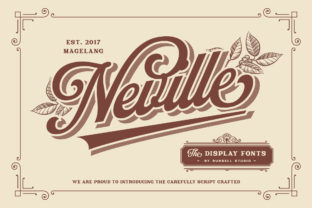
Neville: A Vintage-Style Font That Brings Nostalgia to Life
For designers, marketers, and creators looking to infuse a sense of timelessness into their work, Neville is a font that stands out. This vintage-style display font captures the essence of bygone eras, offering a nostalgic and sentimental vibe that can elevate any design idea. Whether you're working on a branding project, a marketing campaign, or a personal creative endeavor, Neville can help you achieve a unique aesthetic that feels both classic and compelling.
But while Neville may seem like an easy choice for adding old-timey flair, there are important considerations to keep in mind. Understanding how to use it effectively—and avoiding common pitfalls—can make all the difference between a polished, professional result and something that feels forced or unbalanced.
The Appeal of Neville: Why It’s More Than Just a Trend
Neville isn’t just another font—it’s a design tool that carries emotional weight. Its elegant, slightly irregular strokes evoke the feel of handwritten letters from the early 20th century, making it ideal for projects that aim to communicate warmth, authenticity, or historical context. From wedding invitations to book covers, Neville has found its way into a wide range of applications where a touch of nostalgia is desired.
However, what makes Neville appealing also means it needs to be used thoughtfully. Overusing it or applying it inappropriately can dilute its impact. For example, using it in large blocks of text can reduce readability, especially on digital screens where clarity is essential. It's best suited for headlines, logos, and short phrases rather than extended content.
Mistake #1: Using Neville in the Wrong Context
One of the most common mistakes when working with Neville is choosing it for situations where it doesn't fit. While it excels in vintage or retro-themed designs, it may not be the best choice for modern, minimalist projects. The font’s ornate style can clash with clean, contemporary aesthetics, leading to a design that feels inconsistent or confusing.
For instance, if you're creating a tech startup website that aims to feel innovative and forward-thinking, Neville might send the wrong message. Instead, consider fonts that convey simplicity and clarity. On the other hand, if you're designing a product label for a handmade soap brand, Neville could be a perfect fit, reinforcing the artisanal and nostalgic identity of the product.
To avoid this mistake, always ask yourself: Does Neville align with the tone and purpose of the project? If the answer is no, look for alternatives that better match your goals.
Mistake #2: Ignoring Readability and Legibility
Another frequent oversight is not considering how Neville performs in different sizes and formats. While it looks great in large, stylized headlines, it can become difficult to read in smaller text. This is especially true in digital formats, where screen resolution and font rendering play a critical role.
For example, using Neville in a mobile app’s interface or on a social media post might lead to poor user experience. Readers may struggle to decipher the text, which can hurt communication and engagement. Always test the font at various sizes and in different environments before finalizing your design.
If you're unsure about its legibility, consider pairing it with a more readable font for body text. This approach allows you to maintain the vintage charm while ensuring that your message remains clear and accessible.
Mistake #3: Not Checking Licensing and Usage Rights
When downloading and using fonts like Neville, it's crucial to understand the licensing terms. Many people assume that a free font can be used anywhere, but this isn't always the case. Some licenses restrict commercial use, require attribution, or limit how the font can be distributed.
For example, if you download Neville from a site that offers a free personal-use license, you might find that you can't use it in a business logo or promotional material without purchasing a commercial license. This can lead to legal issues or costly fixes down the line.
To avoid this, always review the font’s license agreement before using it. If you're unsure, reach out to the font designer or distributor for clarification. Investing a few minutes to verify licensing details can save you from potential headaches later.
Mistake #4: Overlooking Alternatives and Comparisons
Many users jump straight to Neville without exploring other similar fonts. While Neville has its own unique charm, there may be other options that better suit your specific needs. For example, if you want a more refined or structured vintage look, you might consider fonts like Playfair Display or Great Vibes.
It’s also helpful to compare Neville with other fonts in terms of style, versatility, and usability. Ask yourself: Does Neville offer something that other fonts don’t? Is it the best fit for my project, or is there a better alternative?
By taking the time to research and compare, you can make a more informed decision and ensure that your design choices are both effective and appropriate.
Practical Tips for Using Neville Effectively
To get the most out of Neville, follow these practical tips:
- Use it selectively: Apply Neville to headlines, logos, or short phrases rather than long paragraphs of text.
- Test it in real scenarios: View the font on different devices and backgrounds to ensure it remains legible and visually appealing.
- Pair it wisely: Combine Neville with a complementary font to balance style with readability.
- Check licensing: Make sure you have the correct rights to use the font in your intended context.
- Experiment with styles: Try different weights, spacing, and colors to see how Neville adapts to your design.
By following these guidelines, you can harness the nostalgic power of Neville without falling into common traps.
Final Thoughts: Neville as a Thoughtful Design Choice
Neville is more than just a font—it’s a design element that can add character, emotion, and historical depth to your work. When used correctly, it can enhance the visual storytelling of your project and connect with audiences on a deeper level.
However, like any design tool, it requires careful consideration and intentional use. By avoiding common mistakes, understanding its limitations, and making informed choices, you can unlock the full potential of Neville and create designs that resonate with authenticity and charm.